Hair thinning during menopause is a common concern that affects many women, often causing distress and impacting self-confidence. As hormone levels fluctuate and estrogen decreases, many women notice changes in their hair's thickness, texture, and overall health. Understanding these changes and knowing how to address them naturally can make a significant difference in managing this challenging aspect of menopause.
Understanding Menopausal Hair Loss
During menopause, the decrease in estrogen and progesterone levels can significantly impact hair growth cycles. These hormonal changes can cause hair follicles to shrink and lead to slower hair growth, similar to how hormones affect other areas of intimate health, including changes in pubic hair growth after menopause. The technical term for this type of hair loss is androgenetic alopecia, which can begin during perimenopause and continue through the menopausal transition.
The Role of Hormones
The relationship between hormones and hair health is complex. When estrogen levels drop, the impact of androgens (male hormones) becomes more pronounced, potentially leading to hair thinning. This hormonal imbalance can be similar to what women experience with PCOS-related hair issues, though the underlying causes differ. Understanding these hormonal fluctuations is crucial for finding effective solutions.
Natural Solutions for Hair Health
Several natural approaches can help combat menopausal hair thinning. Essential oils like rosemary and castor oil have shown promising results in promoting hair growth. Castor oil, known for its versatile benefits including helping with vaginal dryness, can also nourish the scalp when used topically. A nutrient-rich diet high in biotin, iron, and omega-3 fatty acids can support healthy hair growth from within.
Lifestyle Modifications
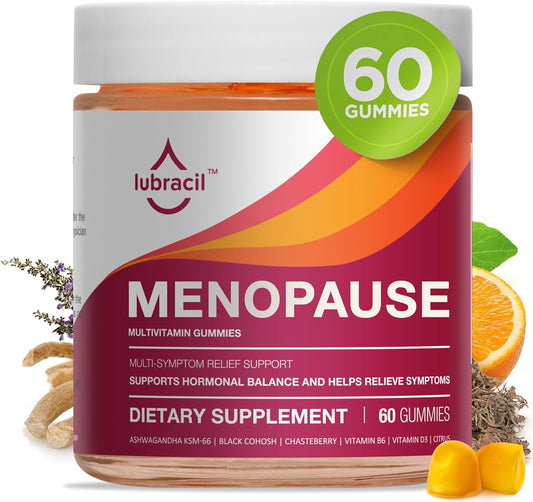
Stress management plays a crucial role in maintaining healthy hair during menopause. High stress levels can exacerbate hair loss, creating a cycle that's difficult to break. Regular exercise, adequate sleep, and stress-reduction techniques can help maintain hormone balance and support overall hair health. Many women find relief through specialized menopause support products that address multiple symptoms simultaneously.
Professional Treatment Options
While natural solutions are effective for many women, some may benefit from professional interventions. Topical treatments containing minoxidil or prescription medications might be recommended in some cases. However, it's essential to consult with healthcare providers before starting any treatment regimen, as they can properly evaluate the cause of hair loss and recommend appropriate solutions.
Natural Supplements and Diet
Certain supplements can support hair health during menopause. These might include vitamin D, iron, and specific herbs known to support hormone balance. A diet rich in proteins, healthy fats, and antioxidants can provide the building blocks necessary for healthy hair growth. Some women report success with traditional herbs like saw palmetto and evening primrose oil.
Wrapping Up
While menopausal hair thinning can be distressing, numerous natural solutions and treatments are available to help manage this common concern. From dietary changes to specialized hair care routines, women have various options to maintain healthy hair during this transition. Remember that what works for one person may not work for another, so it's important to be patient and consistent with your chosen approach while working with healthcare providers to find the best solution for your specific situation.