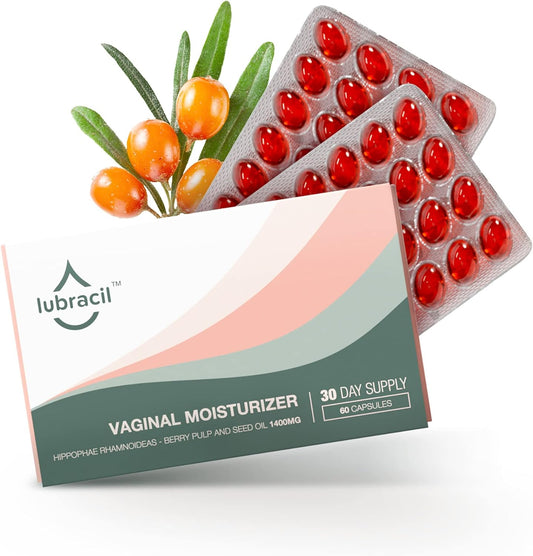
During menopause, many women experience an uncomfortable and often embarrassing symptom: itching. This irritating sensation can affect various parts of the body and significantly impact daily life. Understanding why this happens and knowing how to manage it can make this transition period more comfortable.
Why Menopausal Itching Occurs
Hormonal changes, particularly the decline in estrogen levels, play a crucial role in causing itchy skin during menopause. Estrogen is vital for maintaining skin hydration and collagen production. When these levels drop, the skin becomes drier and more prone to itching and irritation. This hormone fluctuation can also affect the skin's ability to retain moisture, leading to increased sensitivity and discomfort.
Common Areas Affected
The itching sensation isn't limited to just one area. Women often experience discomfort in various locations, including the face, neck, chest, and limbs. The vaginal area can be particularly problematic, as reduced estrogen levels can cause vaginal dryness and subsequent itching. Some women also report scalp itchiness and general skin sensitivity during this time.
Managing Menopausal Itching
Dealing with menopausal itching requires a multi-faceted approach. Staying well-hydrated and using gentle, fragrance-free moisturizers can help maintain skin moisture. Many women find relief through specialized menopause-specific skincare products that focus on hormonal skin changes. Additionally, wearing breathable, natural fabrics and avoiding hot showers can minimize skin irritation.
Lifestyle Changes That Help
Making certain lifestyle adjustments can significantly impact how your skin feels during menopause. Regular exercise helps improve circulation, which can benefit skin health. A balanced diet rich in omega-3 fatty acids and antioxidants supports skin health from the inside out. Managing stress levels is also crucial, as stress can exacerbate skin sensitivity and itching during menopause.
When to Seek Medical Help
While itching is a common menopausal symptom, sometimes it can indicate other underlying conditions. If over-the-counter treatments and lifestyle changes don't provide relief, or if the itching is severe and persistent, consulting a healthcare provider is important. They can recommend appropriate treatments, which might include hormone therapy or prescription medications.
Wrapping Up
Menopausal itching, while frustrating, is a manageable symptom. Understanding its causes and having a solid strategy for dealing with it can make a significant difference in your comfort levels. Remember that you're not alone in experiencing this symptom, and there are numerous effective ways to find relief. With the right combination of self-care, lifestyle changes, and medical support when needed, you can successfully navigate this aspect of menopause.