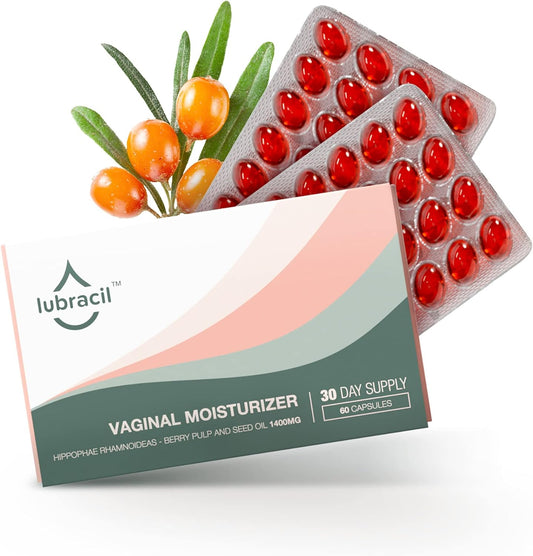
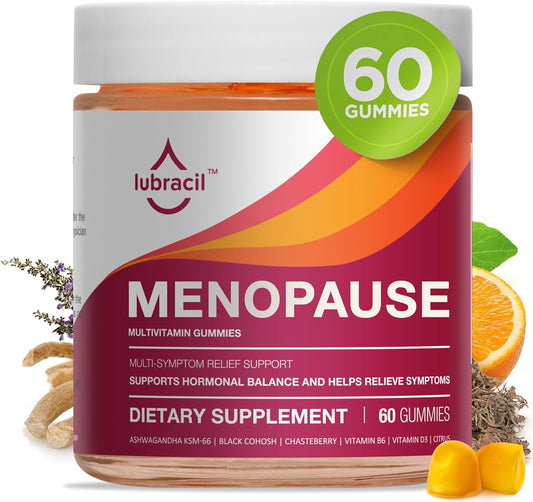
Navigating the changes that come with menopause can be challenging, especially when it comes to intimacy and sexual desire. Many women experience a decrease in libido during this natural transition, but understanding the underlying causes and available solutions can help maintain a fulfilling intimate life.
Understanding the Connection
The relationship between menopause and decreased libido is primarily hormonal. As estrogen and testosterone levels decline, many women notice changes in their sexual desire and response. During this time, physical changes such as vaginal dryness and thinning tissues can make intimacy less comfortable, contributing to reduced sexual interest.
Common Symptoms and Changes
The menopausal transition affects each woman differently. Beyond the physical changes, many experience emotional shifts that impact their sexual well-being. Hot flashes, mood swings, and sleep disturbances can all contribute to reduced sexual desire. These symptoms, combined with hormonal fluctuations, create a complex web of factors affecting libido.
Treatment Options
Fortunately, various treatment options are available for women experiencing low libido during menopause. From hormone therapy to natural remedies, working with healthcare providers can help identify the most suitable approaches to improve sexual wellness. Lifestyle modifications, including regular exercise, stress management, and maintaining open communication with partners, can also make a significant difference.
The Role of Communication
Open dialogue with both healthcare providers and partners is crucial during this transition. Discussing concerns, expectations, and feelings about intimacy can help couples navigate these changes together. Many find that this period of adjustment leads to discovering new ways of maintaining intimacy and connection.
Wrapping Up
While menopause-related changes in libido are common, they don't have to define your intimate life. Understanding these changes, exploring treatment options, and maintaining open communication can help women continue to enjoy fulfilling intimate relationships during and after menopause. Remember, every woman's experience is unique, and there's no one-size-fits-all solution to managing these changes.