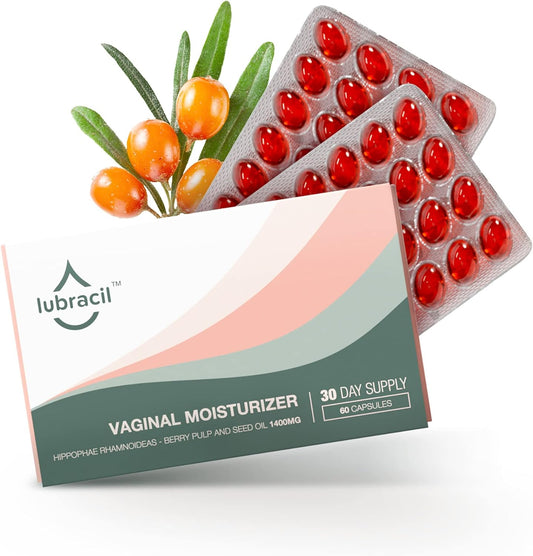
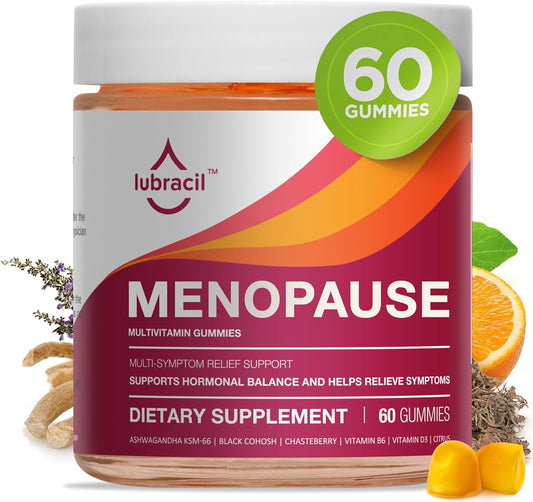
Navigating menopause can be challenging, but understanding your over-the-counter (OTC) options can make this transition more manageable. As more women seek natural alternatives to prescription medications, the market for menopause relief products has expanded significantly. Let's explore what you need to know about OTC menopause pills and supplements.
Understanding OTC Menopause Supplements
OTC menopause supplements typically contain a blend of natural ingredients designed to address various menopause symptoms. These supplements often include black cohosh, red clover, evening primrose oil, and other botanical ingredients. While these natural alternatives to hormone replacement therapy can be effective for many women, it's essential to understand their benefits and limitations.
Common Ingredients and Their Benefits
Black cohosh has been traditionally used to help manage hot flashes and night sweats. According to the Mayo Clinic's research on hot flash treatments, some women experience significant relief with this herb. Red clover contains isoflavones that may help balance hormones, while evening primrose oil is often used for breast tenderness and mood swings.
Safety and Effectiveness
When considering over-the-counter menopause treatments, safety should be your primary concern. While many supplements are generally safe, some can interact with medications or may not be suitable for women with certain health conditions. Healthcare providers suggest monitoring your response to supplements and maintaining open communication about your chosen treatments.
Managing Sleep Issues
Sleep disturbances are common during menopause, leading many women to seek relief through various sleep aids. OTC options range from melatonin supplements to herbal blends containing valerian root or chamomile. These natural alternatives can help establish better sleep patterns without the risks associated with prescription sleep medications.
Quality and Regulation
The supplement industry isn't as strictly regulated as prescription medications. According to OSF Healthcare's guidelines on menopause supplements, it's crucial to choose products from reputable manufacturers who follow Good Manufacturing Practices (GMP) and conduct third-party testing.
Wrapping Up
While OTC menopause pills can provide relief for many women, they're not a one-size-fits-all solution. The key is to research thoroughly, start with lower doses, and monitor your body's response. Always consult with healthcare providers before starting any new supplement regimen, especially if you have underlying health conditions or take other medications.