Menopause is a natural phase in a woman's life that can bring various uncomfortable symptoms. While it's a normal transition, the physical and emotional changes can be challenging to manage. Fortunately, there are numerous effective therapy options available to help women navigate this period more comfortably. Let's explore some of the most effective treatment approaches for managing menopause symptoms.
Hormone Replacement Therapy (HRT)
Hormone replacement therapy remains one of the most established treatments for menopause symptoms. This therapy works by replacing the hormones that naturally decline during menopause. HRT can effectively address multiple symptoms, including hot flashes, night sweats, and mood changes. However, it's important to discuss the benefits and risks with your healthcare provider to determine if this option is suitable for you.
Non-Hormonal Medications
For women who cannot or prefer not to use hormone therapy, various non-hormonal treatment options are available. These alternatives can be equally effective for managing specific symptoms. Some medications, including certain antidepressants, can help reduce hot flashes and improve mood symptoms. Additionally, there are medications specifically designed to address bone density concerns that often arise during menopause.
Lifestyle Modifications
Making certain lifestyle changes can significantly impact how well you manage menopause symptoms. Regular exercise, maintaining a healthy diet, and stress management techniques can make a substantial difference. These natural approaches are often recommended as first-line treatments by healthcare providers and can be used alongside other therapies.
Vaginal Health Solutions
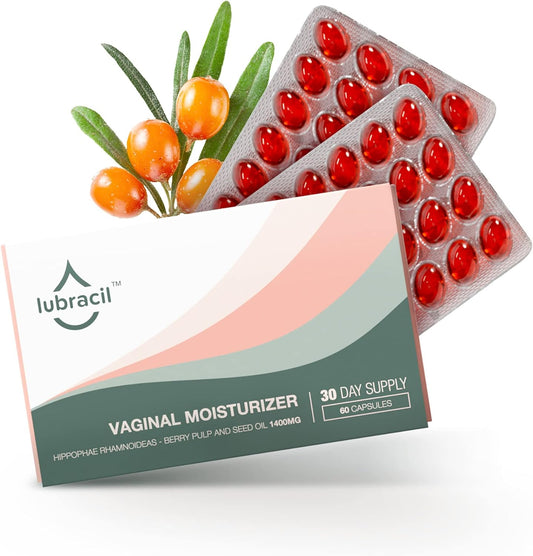
Many women experience vaginal dryness and discomfort during menopause. Specialized treatments for vaginal health can include topical moisturizers, lubricants, and local estrogen therapy. These solutions can significantly improve comfort and quality of life during menopause.
Mental Health Support
The emotional aspects of menopause shouldn't be overlooked. Antidepressants and other mood-supporting medications can be beneficial for managing the psychological symptoms that sometimes accompany menopause. Counseling and support groups can also provide valuable emotional support during this transition.
Alternative Therapies
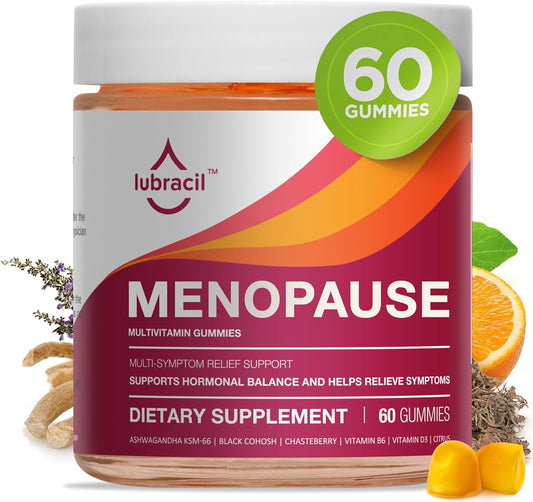
Many women find relief through alternative therapies such as acupuncture, herbal supplements, and mindfulness practices. While research on some of these methods is still ongoing, many women report significant benefits from incorporating these approaches into their menopause management strategy.
Comprehensive Care Approaches
A holistic approach to menopause management often yields the best results. Combining various treatment methods and adjusting them based on individual needs and responses can create an effective personalized treatment plan. Regular consultation with healthcare providers ensures that the chosen therapies remain appropriate and effective throughout the menopause journey.
Wrapping Up
Managing menopause effectively often requires a personalized approach that may combine several different therapy options. What works best varies from person to person, and it's important to work closely with healthcare providers to find the right combination of treatments. Remember that it may take time to find the perfect balance, but with the right approach, menopause symptoms can be effectively managed for a better quality of life.