During menopause, many women experience changes in how touch feels - both emotionally and physically. What was once pleasurable may become uncomfortable or even painful. Understanding these changes is crucial for maintaining intimate relationships and overall wellbeing during this transitional period.
Physical Changes During Menopause
Hormonal fluctuations during menopause can significantly impact skin sensitivity and nerve responses. As estrogen levels decline, the skin becomes thinner and less elastic, making it more susceptible to irritation. Many women report experiencing increased skin sensitivity during intimate moments with their partners, which can make even gentle touch feel uncomfortable.
The Role of Hormones
The decrease in estrogen doesn't just affect skin sensitivity - it also influences how our bodies respond to touch on a deeper level. Reduced hormone levels can lead to vaginal dryness and thinning of vaginal tissues, making physical intimacy challenging. This natural process affects countless women, though many hesitate to discuss these changes with their healthcare providers or partners.
Emotional Aspects
The psychological impact of these physical changes shouldn't be underestimated. Many women experience shifts in their desire for physical touch during menopause. This can create emotional distance in relationships and lead to feelings of frustration or loss. Understanding that these changes are normal and temporary can help women navigate this challenging period with greater confidence.
Managing Touch Sensitivity
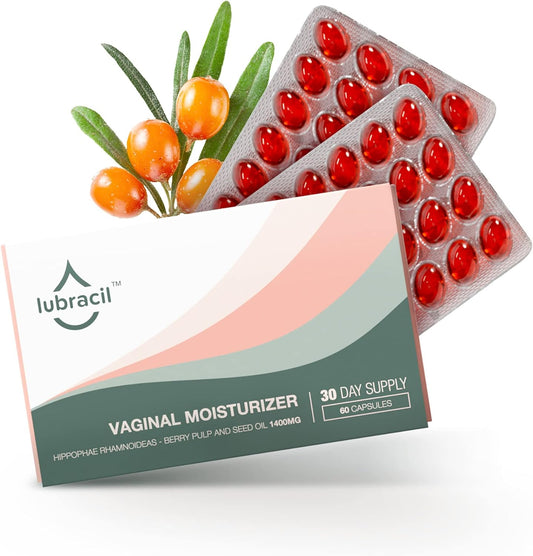
There are various ways to address touch sensitivity during menopause. Using appropriate moisturizers, seeking hormone therapy when appropriate, and maintaining open communication with healthcare providers can help manage physical symptoms. Additionally, exploring different types of touch and adjusting intimate routines can help couples maintain physical connection during this transition.
Wrapping Up
Touch sensitivity during menopause is a common but manageable challenge. By understanding the physical and emotional aspects of these changes, women can better advocate for their needs and maintain healthy relationships. Remember that healthcare providers can offer various solutions, and with proper support and understanding, women can continue to enjoy physical intimacy throughout menopause and beyond.