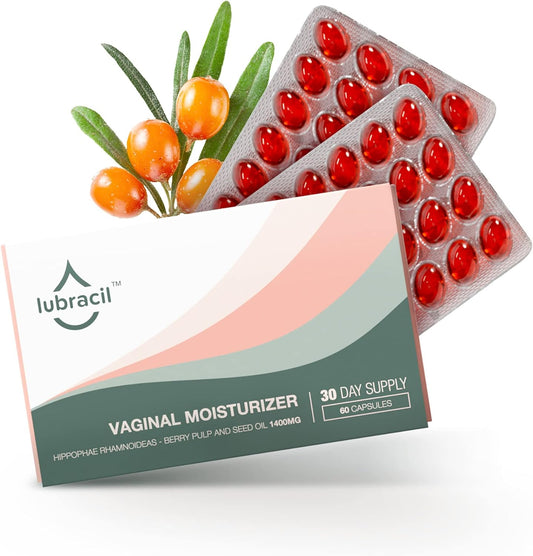
Vaginal atrophy is a common yet often underdiscussed condition that affects many women during and after menopause. As estrogen levels decline, the vaginal tissues undergo significant changes that can impact both physical comfort and quality of life. Understanding this condition is crucial for women approaching or experiencing menopause.
What Causes Vaginal Atrophy?
Vaginal atrophy, also known as atrophic vaginitis, occurs primarily due to the significant drop in estrogen levels during menopause and its associated transitions. This hormonal change leads to the thinning, drying, and inflammation of vaginal walls. While menopause is the most common cause, other factors such as certain cancer treatments, removal of ovaries, and some hormonal medications can also trigger this condition.
Common Symptoms
The symptoms of vaginal atrophy can vary in severity and may develop gradually. Many women experience uncomfortable vaginal dryness and irritation, making daily activities challenging. According to Harvard Health, other symptoms can include burning sensations, light bleeding after intercourse, and increased urgency to urinate.
Impact on Daily Life
The effects of vaginal atrophy extend beyond physical discomfort. Many women experience significant pain during intimate moments, which can strain relationships and affect emotional well-being. The condition can also increase susceptibility to urinary tract infections and vaginal infections, as noted by women's health experts.
Treatment Options
Fortunately, various treatment options are available for managing vaginal atrophy. From hormone-based therapies to specialized vaginal moisturizers, women can find relief through different approaches. Regular sexual activity, when comfortable, can also help maintain vaginal health by increasing blood flow to the area.
Wrapping Up
Vaginal atrophy is a manageable condition that shouldn't be suffered in silence. Understanding its causes, recognizing symptoms, and knowing about available treatments can help women maintain their quality of life during menopause. Speaking with healthcare providers about symptoms and treatment options is an important step in managing this common menopausal condition effectively.