Navigating perimenopause can be challenging, especially when dealing with heavy menstrual flow. Many women experience significant changes in their menstrual patterns during this transitional phase, and understanding how to manage these changes is crucial for maintaining quality of life.
Understanding Heavy Periods in Perimenopause
During perimenopause, hormonal fluctuations can lead to heavier than normal menstrual bleeding, a condition known as menorrhagia. According to medical experts at Mayo Clinic, this increased bleeding can significantly impact daily activities and may require medical attention if severe.
The Role of Hormones
The primary cause of heavy menstrual bleeding during perimenopause is hormonal imbalance. As estrogen and progesterone levels become erratic, the uterine lining can become thicker than usual, resulting in heavier periods. The American College of Obstetricians and Gynecologists (ACOG) emphasizes the importance of monitoring these changes and consulting healthcare providers when necessary.
Management Strategies
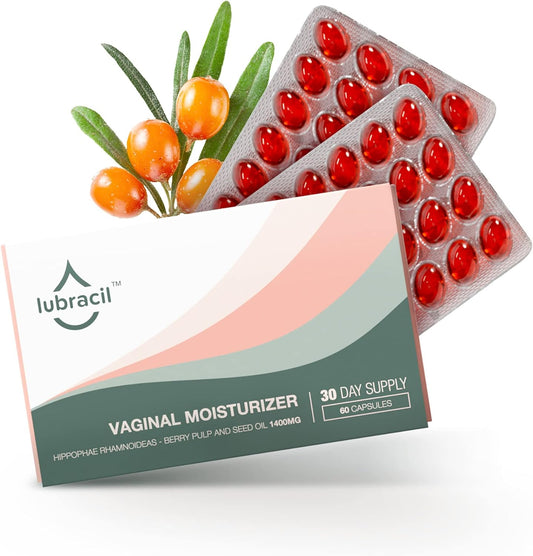
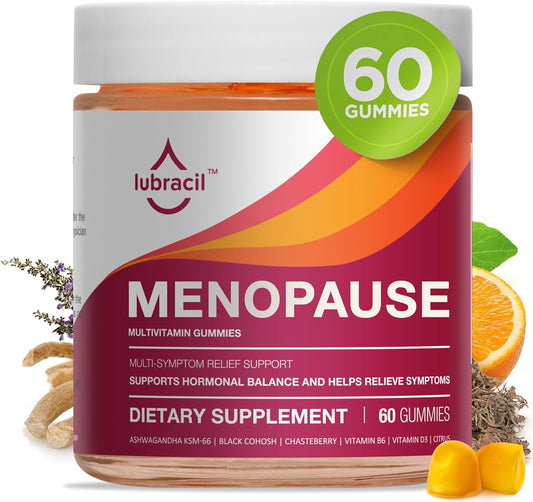
There are several effective ways to manage heavy periods during perimenopause. While medical interventions might be necessary for some women, natural remedies can also provide relief. These can include dietary changes, stress management, and regular exercise. Additionally, various menopause support products are available to help manage symptoms and improve comfort during this transition.
When to Seek Medical Help
It's important to recognize when heavy bleeding requires medical attention. Symptoms such as prolonged bleeding, severe cramping, or passing large clots should be evaluated by a healthcare provider. They can determine if underlying conditions are contributing to the heavy bleeding and recommend appropriate treatment options.
Wrapping Up
Managing heavy periods during perimenopause requires a comprehensive approach that may include lifestyle modifications, natural remedies, and medical interventions when necessary. Remember that every woman's experience is unique, and what works for one person may not work for another. Stay in tune with your body and don't hesitate to seek professional guidance when needed.