Menopause is a natural transition in a woman's life, but it can come with unexpected symptoms, including slight bleeding or spotting. While many women expect their periods to simply stop, the reality is often more complex. Understanding what constitutes normal bleeding during this time and when to seek medical attention is crucial for maintaining your health and peace of mind during this significant life change.
Understanding Menopause Bleeding
During the menopausal transition, changes in hormone levels can cause irregular bleeding patterns. This period, known as perimenopause, typically begins several years before menopause officially starts. Women might experience anything from light spotting to heavier, irregular periods. It's important to note that while some bleeding is normal, any bleeding that occurs 12 months after your last period requires medical evaluation.
Common Causes of Menopausal Bleeding
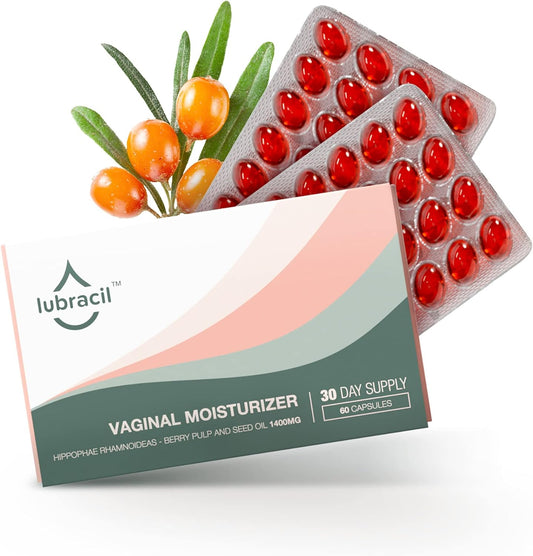
Hormonal fluctuations are the primary cause of bleeding during menopause. As estrogen levels decrease, the uterine lining can become thinner and more prone to breakthrough bleeding. Some women may also experience spotting due to vaginal dryness, which can cause irritation and minor bleeding, particularly during intimate moments. Addressing vaginal dryness early can help prevent this uncomfortable symptom.
When to Seek Medical Attention
While some bleeding during menopause is normal, certain patterns should prompt a visit to your healthcare provider. Heavy bleeding, prolonged bleeding, or bleeding after intercourse could indicate underlying conditions that need attention. Additionally, any vaginal pain or discomfort accompanying the bleeding should be evaluated by a medical professional.
Treatment Options
Various treatment options are available for managing menopausal bleeding. These range from hormone therapy to natural supplements and lifestyle changes. The right approach depends on your specific symptoms and medical history. Many women find relief through a combination of treatments and products designed specifically for menopause management, including those that address vaginal dryness and irregular bleeding.
Wrapping Up
Slight bleeding during menopause can be concerning, but it's often a normal part of the transition. Understanding what's normal and what isn't helps you make informed decisions about your health. Always consult with your healthcare provider about your specific situation, especially if you're experiencing unusual or concerning symptoms. Remember, menopause is a natural phase of life, and with the right support and information, you can navigate it successfully.