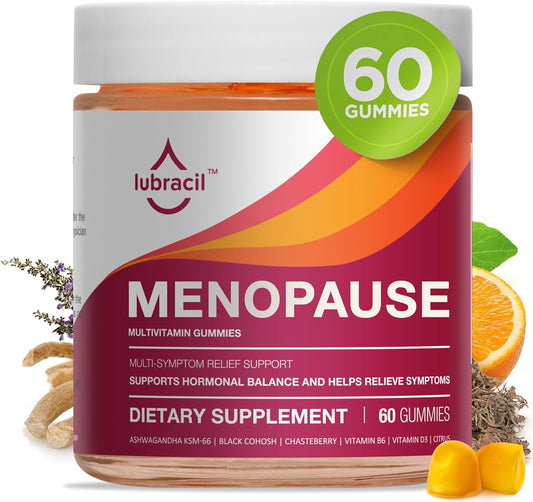
Going through menopause is a significant life transition that can bring various challenging symptoms. While this natural phase of life affects everyone differently, diet plays a crucial role in managing symptoms and maintaining overall well-being. Understanding which foods can help alleviate common menopausal discomforts can make this transition more manageable and comfortable.
Foods Rich in Calcium and Vitamin D
Maintaining bone health becomes increasingly important during menopause. As estrogen levels decline, bone density can decrease. Consuming adequate calcium-rich foods like dairy products, leafy greens, and fortified plant milk is essential. According to nutrition experts at Riverside Health, combining these with vitamin D-rich foods helps maximize calcium absorption and supports stronger bones.
Phytoestrogen-Containing Foods
Incorporating foods containing natural plant estrogens can help balance hormonal fluctuations. Soybeans, flaxseeds, and whole grains contain beneficial compounds that may help reduce hot flashes and other menopausal symptoms. These foods can be particularly effective when included as part of a balanced eating plan focusing on whole, unprocessed ingredients.
Omega-3 Fatty Acids
Research has shown that omega-3 fatty acids can help manage mood swings and support cognitive function during menopause. Cold-water fish, walnuts, and chia seeds are excellent sources of these essential fatty acids. The CSIRO's latest research on menopausal nutrition suggests that regular consumption of these foods may also help reduce night sweats.
Cooling Foods
Certain foods can help manage body temperature and reduce the frequency of hot flashes. Cucumbers, watermelon, and other foods with high water content can provide natural cooling effects. Additionally, incorporating mint and other refreshing herbs into your diet may help regulate body temperature naturally.
Protein-Rich Foods
Maintaining muscle mass becomes more challenging during menopause, making protein intake crucial. Lean meats, legumes, and fish not only support muscle health but also help manage weight fluctuations common during this period. They also provide sustained energy throughout the day.
Foods to Moderate
While focusing on beneficial foods, it's equally important to be mindful of items that might trigger symptoms. Spicy foods, caffeine, and alcohol can intensify hot flashes and sleep disturbances. Experts recommend monitoring your body's response to different foods and adjusting your diet accordingly.
Wrapping Up
Navigating menopause through dietary choices can significantly impact how you experience this transition. Remember that everyone's body responds differently, so it's important to pay attention to your individual needs and responses to different foods. Consider keeping a food diary to track which foods help or hinder your symptoms, and don't hesitate to consult with healthcare providers about personalizing your menopause diet plan.